



How do forged steel gate valves operate?
Forged steel gate valves are essential components in a wide range of industrial applications, known for their durability, reliability, and ability to handle high-pressure and high-temperature environments. As a leading supplier of forged steel valves, I am often asked about how these valves operate. In this blog post, I will provide a detailed overview of the operation of forged steel gate valves, including their components, working principles, and applications.
Components of Forged Steel Gate Valves
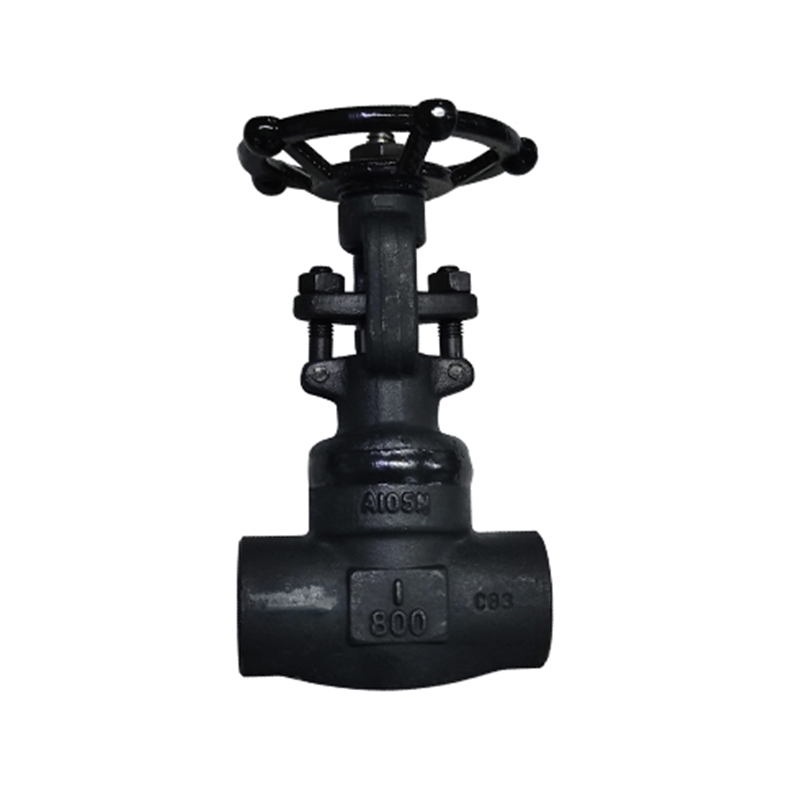
Before delving into how forged steel gate valves operate, it's important to understand their key components. A typical forged steel gate valve consists of the following parts:
Body: The body is the main housing of the valve, which contains the internal components and provides the connection points for the pipeline. It is usually forged from high-quality steel to ensure strength and durability.
Bonnet: The bonnet is attached to the body and provides access to the internal components for maintenance and repair. It is typically sealed to prevent leakage.
Gate: The gate is the movable part of the valve that controls the flow of fluid. It is usually a flat or wedge-shaped disc that slides up and down to open or close the valve.
Stem: The stem is connected to the gate and is used to operate the valve. It can be either rising or non-rising, depending on the design of the valve.
Seats: The seats are located on the body of the valve and provide a sealing surface for the gate. They are typically made of a hard material, such as stainless steel or carbide, to ensure a tight seal.
Packing: The packing is used to seal the stem and prevent leakage. It is usually made of a flexible material, such as graphite or PTFE, that can withstand high temperatures and pressures.
Working Principles of Forged Steel Gate Valves
Forged steel gate valves operate on the principle of linear motion. When the valve is opened, the gate is lifted up, allowing fluid to flow through the valve. When the valve is closed, the gate is lowered down, blocking the flow of fluid. The operation of the valve is controlled by turning the stem, which is connected to the gate.
There are two main types of forged steel gate valves: rising stem and non-rising stem. In a rising stem valve, the stem rises and falls as the valve is opened and closed, providing a visual indication of the valve position. In a non-rising stem valve, the stem rotates but does not move up or down, and the position of the valve is indicated by a pointer on the top of the valve.
The operation of a forged steel gate valve can be manual or automated. Manual valves are operated by turning a handwheel or lever, while automated valves are operated by an actuator, such as an electric motor, pneumatic cylinder, or hydraulic actuator. Automated valves are often used in applications where remote control or precise flow control is required.
Applications of Forged Steel Gate Valves
Forged steel gate valves are widely used in a variety of industries, including oil and gas, power generation, chemical processing, and water treatment. They are suitable for applications where a tight shut-off is required, such as in pipelines, storage tanks, and process equipment.
Some of the specific applications of forged steel gate valves include:
Oil and Gas Industry: Forged steel gate valves are used in oil and gas pipelines to control the flow of crude oil, natural gas, and other petroleum products. They are also used in refineries and petrochemical plants to control the flow of chemicals and other fluids.
Power Generation Industry: Forged steel gate valves are used in power plants to control the flow of steam, water, and other fluids in boilers, turbines, and condensers. They are also used in nuclear power plants to control the flow of coolant and other fluids.
Chemical Processing Industry: Forged steel gate valves are used in chemical processing plants to control the flow of acids, bases, solvents, and other chemicals. They are also used in pharmaceutical plants to control the flow of drugs and other pharmaceutical products.
Water Treatment Industry: Forged steel gate valves are used in water treatment plants to control the flow of water, wastewater, and other fluids. They are also used in irrigation systems to control the flow of water to crops.
Advantages of Forged Steel Gate Valves
Forged steel gate valves offer several advantages over other types of valves, including:
Durability: Forged steel gate valves are made from high-quality steel, which makes them strong and durable. They can withstand high pressures, high temperatures, and corrosive environments, making them suitable for use in harsh industrial applications.
Reliability: Forged steel gate valves are designed to provide a tight shut-off, which ensures reliable operation and prevents leakage. They are also easy to maintain and repair, which reduces downtime and maintenance costs.
Versatility: Forged steel gate valves can be used in a wide range of applications, including high-pressure and high-temperature environments. They are available in a variety of sizes, materials, and configurations to meet the specific needs of different industries and applications.
Cost-Effectiveness: Forged steel gate valves are relatively inexpensive compared to other types of valves, such as ball valves and butterfly valves. They also have a long service life, which reduces the need for frequent replacement and lowers the overall cost of ownership.
Conclusion
Forged steel gate valves are essential components in a wide range of industrial applications, known for their durability, reliability, and ability to handle high-pressure and high-temperature environments. As a leading supplier of forged steel valves, I am committed to providing high-quality products and excellent customer service. If you are in need of forged steel gate valves or other types of valves, please do not hesitate to contact me for more information or to discuss your specific requirements.